Aligning Inventory and Supply Chain Management to Support Lean Manufacturing

Lean manufacturing succeeds when every part of your operation works toward the same objective: delivering customers what they want, when they want it, while eliminating waste. Effective inventory and supply chain management is a critical component in making that possible. Without materials arriving when needed, even the most efficient production line works against itself.
Inventory and supply chain management is the coordinated planning of materials, suppliers, inventory, logistics, and production to ensure the right components are available at the right time and in the right quantities. For OEM manufacturers, effective inventory and supply chain management supports lean manufacturing by reducing waste, improving throughput, and minimizing disruptions without carrying unnecessary inventory.
The Balance Between Lean Manufacturing and Supply Chain Risk
Lean manufacturing’s promise of minimal inventory depends entirely on supply chain reliability, a dependency that exposes a fundamental tension. Just-in-time delivery works until it doesn’t: a missed shipment, a stalled container, or an unexpected demand spike can halt production the moment buffer inventory disappears. The question isn’t whether to choose between lean principles and inventory protection. It’s knowing precisely where inventory creates competitive value and where it simply creates cost.
Carrying too little safety stock transfers operational risk directly onto your production schedule. Carrying too much ties up working capital, consumes floor space, and accelerates the accumulation of obsolete material. Neither extreme is a strategy… it’s a default. The companies that execute lean manufacturing most effectively treat inventory as a deliberate decision, not a byproduct of purchasing habits.
How Strategic Inventory Supports Lean Manufacturing Goals
Inventory strategy and lean manufacturing aren’t in conflict, they’re complimentary when applied with precision. The goal isn’t to minimize inventory across the board; it’s to position the right inventory at the right points in the value stream. For example, buffer inventory placed at strategic decoupling points can absorb demand fluctuations and supplier delays without requiring you to overstock everything to keep the production line moving while still maintaining reasonable overall inventory levels.
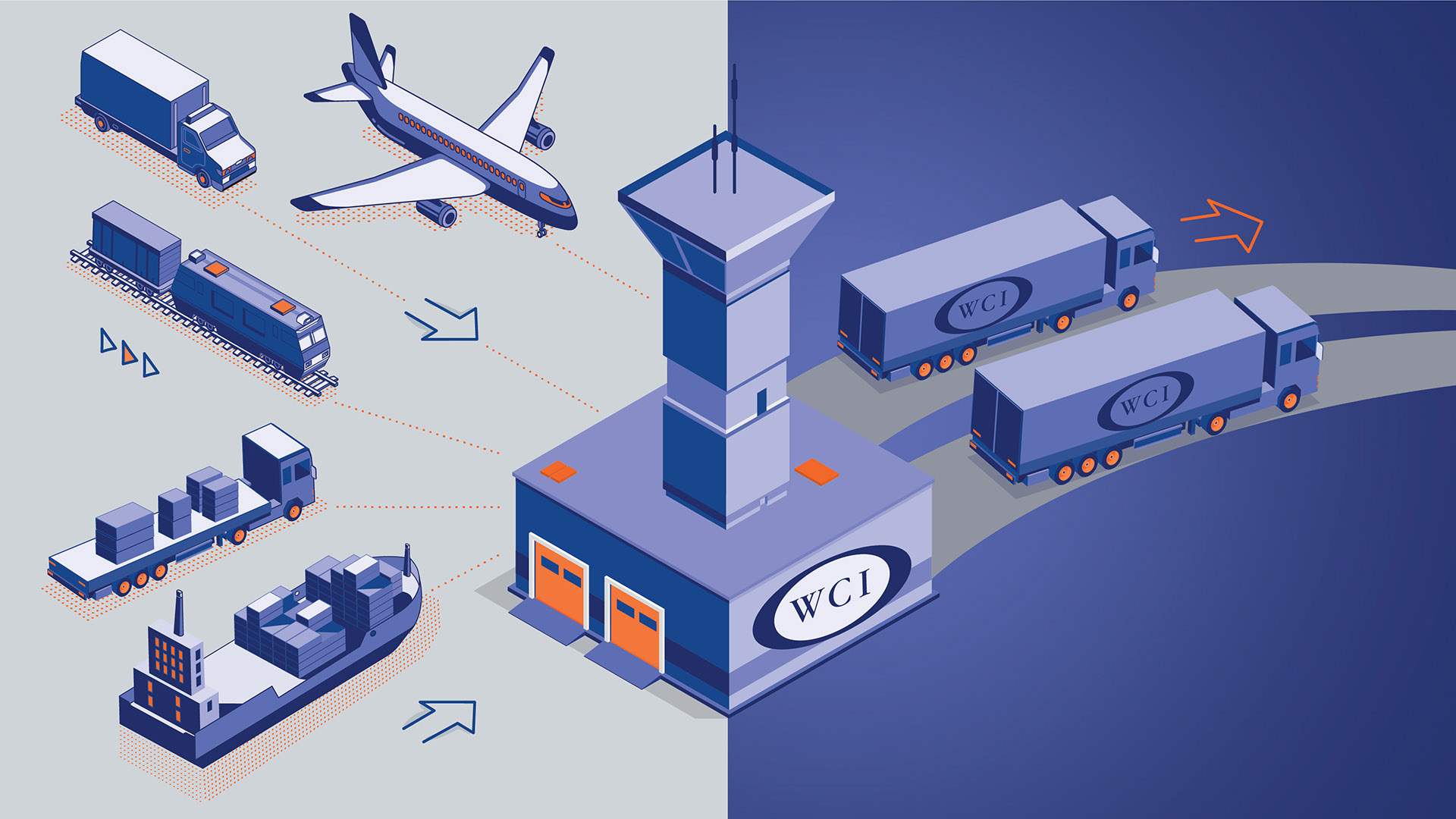
Supplier consolidation extends the same logic into procurement. Managing hundreds to thousands of suppliers creates administrative complexity that increases communication requirements and introduces more opportunities for disruption. You track more orders, reconcile more invoices and spend more time chasing down parts. By consolidating procurement with a strategic partner, you simplify the whole supply chain. That is a lean outcome – fewer touchpoints, less administrative waste and better visibility into what is actually happening with your materials.
Kitting and sequenced delivery apply lean principles at the point of use. Instead of shipping individual components that need to be picked, sorted and staged on the production floor, a kit arrives with everything grouped for a specific assembly. Sequenced delivery takes that further, parts arrive in the exact order they’ll be used on the line. Both approaches eliminate handling that adds time but no value, which is the clearest definition of waste in any lean framework.
Real-Time Visibility Changes the Game
Traditional lean manufacturing relies on visual signals like Kanban cards to trigger replenishment. While these methods remain effective in stable environments, modern supply chains require greater visibility and faster decision-making. Modern inventory and supply chain management systems provide clearer insights into available inventory, incoming shipments, supplier performance, and material consumption. When your inventory and supply chain management system gives you that visibility, you can make decisions based on current operational data.
Real-time tracking, for example, lets you adjust reorder points based on actual consumption rather than forecasts to help you reduce excess inventory while still keeping enough on hand to avoid stockouts. You can also spot potential shortages earlier and take action before these disruptions affect production schedules.
Building a Leaner, More Resilient Supply Chain
Inventory should exist where it protects throughput and supports production—not where it simply occupies warehouse space. That begins by segmenting materials according to operational importance. Components with long lead times or significant production impact often justify safety stock, while lower-value, readily available materials can be managed with leaner inventory levels.
The same logic applies to your supply chain relationships. Reliable suppliers that communicate effectively and share operational data reduce uncertainty across the supply chain, improve planning accuracy, and minimize unnecessary inventory while maintaining the flexibility to respond to changing customer demand.
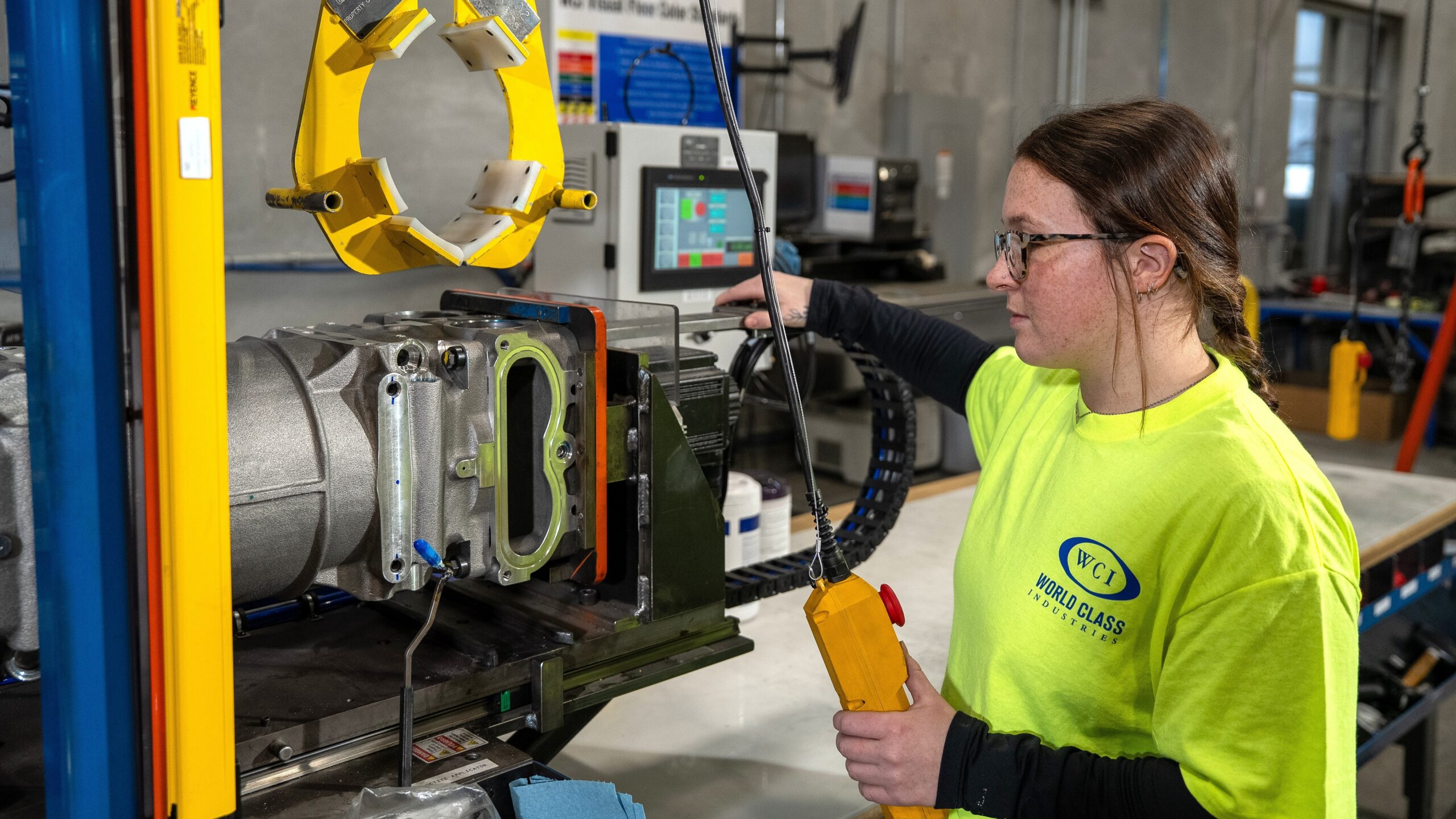
At World Class Industries, we help OEMs put these principles into practice. We handle procurement, kitting and assembly so you can focus on your core production. Our approach consolidates suppliers, sequences deliveries to your line and manages inventory buffers where they actually matter. The result is a supply chain that supports lean manufacturing without leaving you vulnerable to the inevitable disruptions that come with global sourcing.
Aligning inventory and supply chain management with lean manufacturing isn’t about picking one philosophy over another. It’s about placing the right materials in the right locations, working with reliable supply partners, and giving production the support it needs to maintain throughput.
When inventory strategy, procurement, and production operate as an integrated system, manufacturers can eliminate waste, improve operational performance, and consistently deliver for their customers.
About the Author
Jenna Anderson