How World Class Industries Builds Integrated Supply Chains for High-Complexity Assemblies
A complex assembly program can create pressure far beyond the production floor. Supplier management, inventory storage, assembly capacity, traceability requirements, and logistics all compete for resources that OEMs would rather dedicate to engineering, product development, and growth. For manufacturers producing high-complexity equipment, an integrated supply chain can be the difference between constrained growth and scalable throughput.
For nearly a decade, WCI has worked with a customer who manufactures some of the world’s largest generators. They had identified an opportunity to expand into a specific vertical market, but their existing factory space and supply chain infrastructure couldn’t keep up with demand. They needed a partner who could handle procurement, kitting, assembly, quality and logistics as one coordinated operation. That is where we came in.
What an Integrated Supply Chain Actually Means
An integrated supply chain connects all the moving pieces of production. Sourcing parts, managing inventory, kitting components, assembling finished products and handling logistics through one provider. Instead of managing dozens of suppliers and coordinating each task separately, an OEM works with a single partner who manages the entire process.
For manufacturers, this reduces administrative complexity while improving visibility, accountability, and execution. It also creates a single point of contact for critical supply chain activities, simplifying communication and accelerating decision-making. This approach aligns directly with WCI’s integrated supply and assembly model, which is designed to improve throughput while reducing supply chain friction.
WCI manages thousands of suppliers across different commodity groups and procures tens of thousands of components on behalf of our customers. Supplier qualification, regulatory compliance, inventory management, and delivery performance are managed within one coordinated system. By consolidating supplier relationships and material flow, OEMs experience fewer delays, fewer handoffs, and fewer opportunities for error.
For the generator manufacturer, we leveraged our global supply base, sourcing components from around the world to create cost improvement opportunities, while also creating supplier redundancy for critical components. We helped that customer recover 12,000 square feet of their valuable floor space by taking over inventory handling and assembly – giving them space back for their core manufacturing.
The Challenge of High-Complexity Assemblies
Not every assembly program creates the same operational demands. WCI specializes in programs where product complexity, traceability requirements, scale, and production constraints exceed the capabilities of traditional contract manufacturing models.
Managing Large Radiator Assemblies
Take radiators, for example. These aren’t small parts you can hold in your hand. Some assemblies measure up to ten feet wide and require specialized material handling, assembly processes, and logistics planning. Facing aggressive growth projections and limited available manufacturing and supply base capacity, WCI supported the customer’s 300% year-over-year growth while enabling the OEM to avoid significant internal expansion and labor needs.
Accelerating a Closed Crankshaft Ventilation Program
Another customer developed a proprietary filter system to reduce engine emissions and needed to launch with an accelerated timeline.
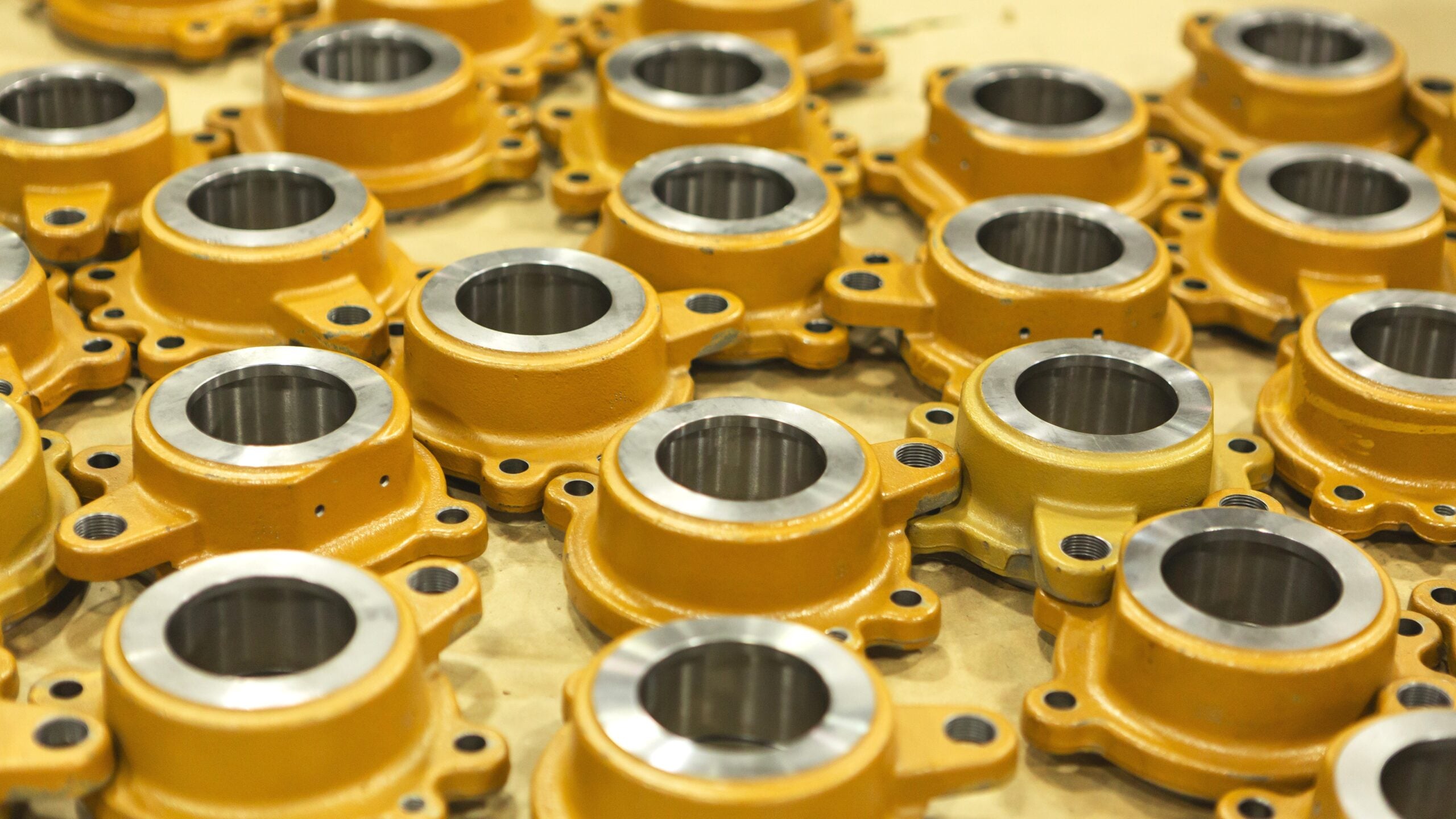
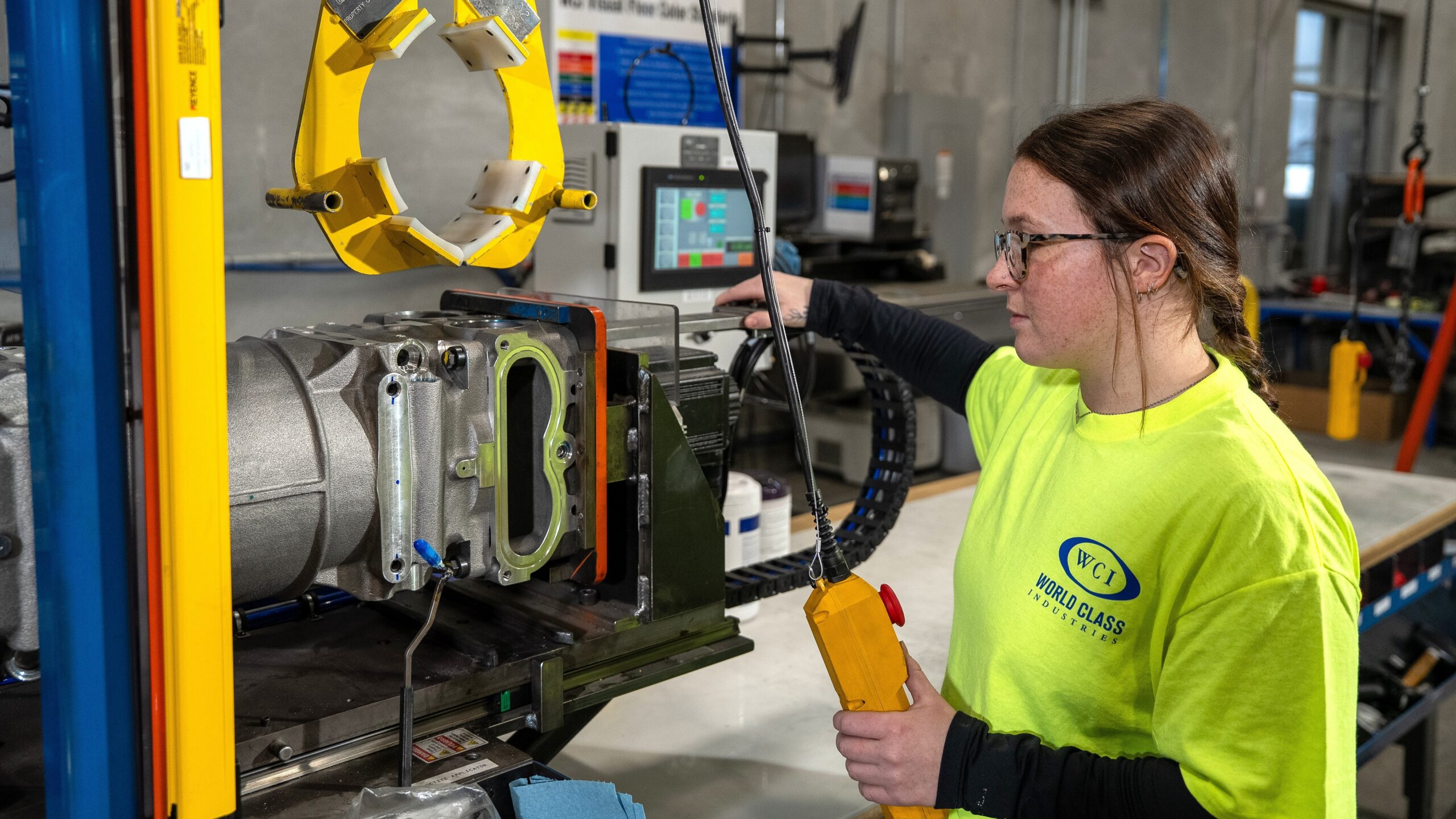
WCI assumed responsibility for assembly, testing, serialization, and data collection while designing custom fixturing and automated verification systems. The production process implemented laser-guided pressing stations for precise cup plug installation, location verification, and dual pressure decay tests. The program included twelve assembly variations and required complete process traceability throughout production.
Programs of this complexity require more than assembly capacity. It requires engineering expertise, process and quality controls, and a team that understands how to build complex products at scale.
How Procurement, Kitting and Assembly Work Together
The way these services fit together is what sets an integrated approach apart from a traditional one.
Procurement Creates Stability
Procurement is the first piece. We manage global sourcing across all major commodity categories, actively monitoring supplier performance, delivery schedules, and material availability. By maintaining a reliable flow of materials into production, we help reduce disruptions, improve scheduling, and ensure assembly operations have the components they need when they need them.
Kitting Improves Efficiency
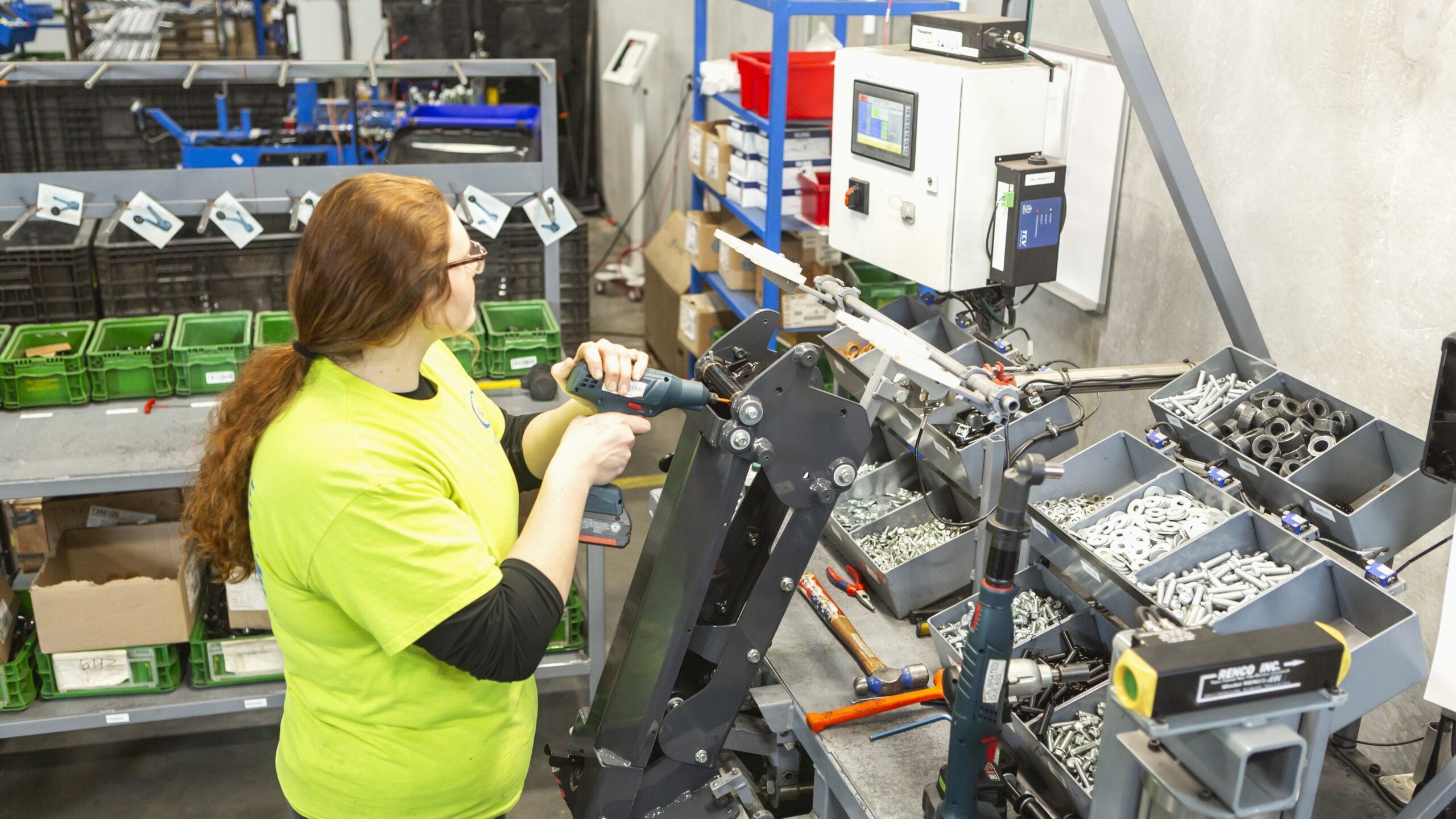
Kitting transforms sourced components into production-ready packages. We group parts in the right sequence for assembly, reducing material handling and eliminating time spent searching for components. We utilize pick-to-light systems and smart scales for weight verification, supporting everything from small-component kits to oversized components for large assemblies.
Assembly Delivers Traceability and Quality
Assembly is where integration becomes operationally visible. We build subassemblies and final assemblies based on customer specifications, using PLC-driven processes with machine monitoring capability. We track production sequencing, serialization and traceability so every part can be traced through its entire life cycle. For the generator manufacturer, we achieved 100% part traceability on every component. This level of control has become increasingly important for OEMs operating in regulated industries or managing complex warranty and service requirements.
The Business Impact of Supply Chain Integration
Integrated supply chains are not simply operational conveniences. They produce measurable business outcomes.
For the generator manufacturer, WCI supported rapidly increasing order growth while removing approximately $60 million in inventory from the customer’s balance sheet through supply chain management and inventory ownership strategies. The partnership also returned 12,000 square feet of manufacturing space to core production activities.
For the closed crankcase ventilation program, the customer successfully launched a highly complex product in less than twelve months. Achieving that timeline would have been significantly more difficult while simultaneously building the required supply chain, assembly processes, testing systems, and traceability infrastructure internally.
These outcomes illustrate a broader principle: throughput constraints are often supply chain constraints. When sourcing, inventory, assembly, quality, and logistics operate as disconnected functions, growth becomes more difficult and expensive to sustain.
Why Integration Matters for OEMs
When an OEM manages its own supply chain, it is responsible for every supplier relationship, every inventory decision, every quality check and every assembly step. That takes time, space and people – and creates risk. A single supplier delay can disrupt the entire production schedule.
An integrated supply and assembly partner can reduce that burden by assuming responsibility for those processes. We become a single point of contact for the entire process, from sourcing parts to shipping finished assemblies. We handle the noise (supplier coordination, inventory management, assembly quality) so our customers can focus on engineering, product development and growing the business.
For over fifty years, World Class Industries has helped manufacturers navigate complexities in their supply chain through streamlined procurement, kitting, and assembly solutions. With ISO 9001:2015-certified facilities, a global supplier network, and decades of experience supporting OEMs in agriculture, construction, powersports, and power generation, WCI helps manufacturers scale production while navigating market disruptions.
The more complex the assembly, the greater value an integrated supply chain partner brings to the table. That is why manufacturers in agriculture, construction, powersports and power generation continue to choose World Class Industries.