Looking Beyond Piece Price: Why Total Cost Management Matters More Than Ever
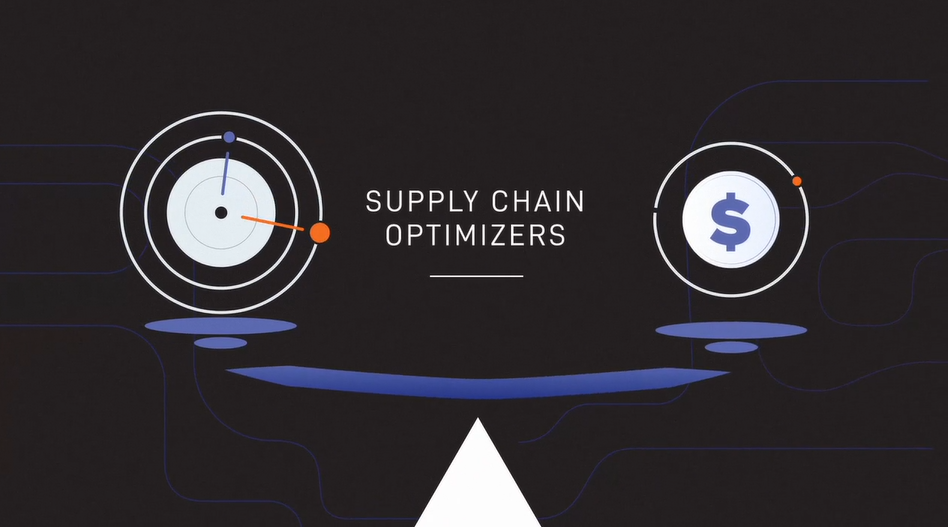
The initial price for a component provides only a partial view of cost.
Making sourcing decisions based solely on piece price overlooks the operational and financial reality that determines your true margin. The real cost of a part is measured not on a purchase order, but on the profit and loss statement.
This is why total cost management is critical.
What Total Cost Management Really Means
Total cost management is the practice of accounting for every financial impact a purchased part creates. It looks beyond static piece price to the dynamic total cost of ownership. If you only see the unit cost, you are missing what actually hits your bottom line.
1. Piece Price is Static, Total Cost is Dynamic
A lower piece price can be erased by other charges. These costs are real and they accumulate quickly.
- Expediting Fees: Paying a premium to recover from late deliveries
- Excess Inventory: Capital tied up in storage, insurance, and handling
- Quality Failures: Inspection, rework, scrap, and line stoppages
- Line Downtime: Production delays from inconsistent or late deliveries
Total cost captures these operational expenses. The purchase order shows one number while your P&L shows the true result.
2. Operational Friction is Expensive and Often Invisible
Suppliers with a slightly higher piece price often provide systems that remove operational friction.
- They ship complete orders and deliver on schedule.
- They hold tighter tolerances, which reduces scrap and rework.
- Their consistency lowers the need for incoming inspection and quality audits.
- They require less time from your purchasing, engineering, and quality teams.
The result is lower overhead, increased throughput, and fewer internal disruptions. Your team spends less time on fire drills and more time on value-added work.
3. Cash Flow Outweighs Unit Savings
Total cost management accounts for capital movement.
- Inventory Turns: Parts sitting on shelves for 90 days ties up working capital.
- Lead Time: Shorter, predictable lead times reduce the need for excess stock.
- Payment Terms: Favorable terms improve your cash position.
A “cheaper” part that slows your cash cycle costs more than a reliable part that keeps capital moving.
4. Risk is a Cost Even If It’s Not on a Spreadsheet
Financial risk from our supply chain carries a real price. Total cost analysis has to account for it.
- Supply Continuity: A single-source or geopolitically risky supplier poses a threat to production.
- Recovery Speed: How quickly can a supplier respond to a problem or a demand surge?
- Engineering Agility: Can the supplier support design changes without major cost or delay?
Companies that ignore risk in sourcing pay for it later, and usually at the worst possible time.
5. The Right Supplier Improves Your Manufacturing System
The best suppliers help improve your entire manufacturing system.
- They identify design modifications for easier manufacturability.
- They help consolidate parts to simplify your assembly.
- They improve yield and support your production scaling.
These gains build across your entire volume. The savings often outweigh any difference in unit price.
Bottom Line
Piece price optimizes a single transaction. Total cost management optimizes the entire operation.
Shifting to this discipline delivers clear results: stronger margins, a more reliable supply chain, fewer operational surprises and better outcomes for your customers.
In an environment defined by volatility, this is not just a procurement strategy. It is a necessary method for running the business.
Our Method
WCI’s approach is built on total cost principles. We examine the complete journey of a component in your operation. We focus on delivering reliable parts through stable supply chains, reducing complexity and lowering the administrative burden on your team. The goal is not just a reliable part, but a supply solution that strengthens your long-term financial performance.
Optimize Your Total Cost Structure
Contact us to discuss how total cost management can bring clarity, control, and margin discipline to your procurement strategy.