The Importance of Data-Driven Manufacturing for Modern OEM Supply Chains
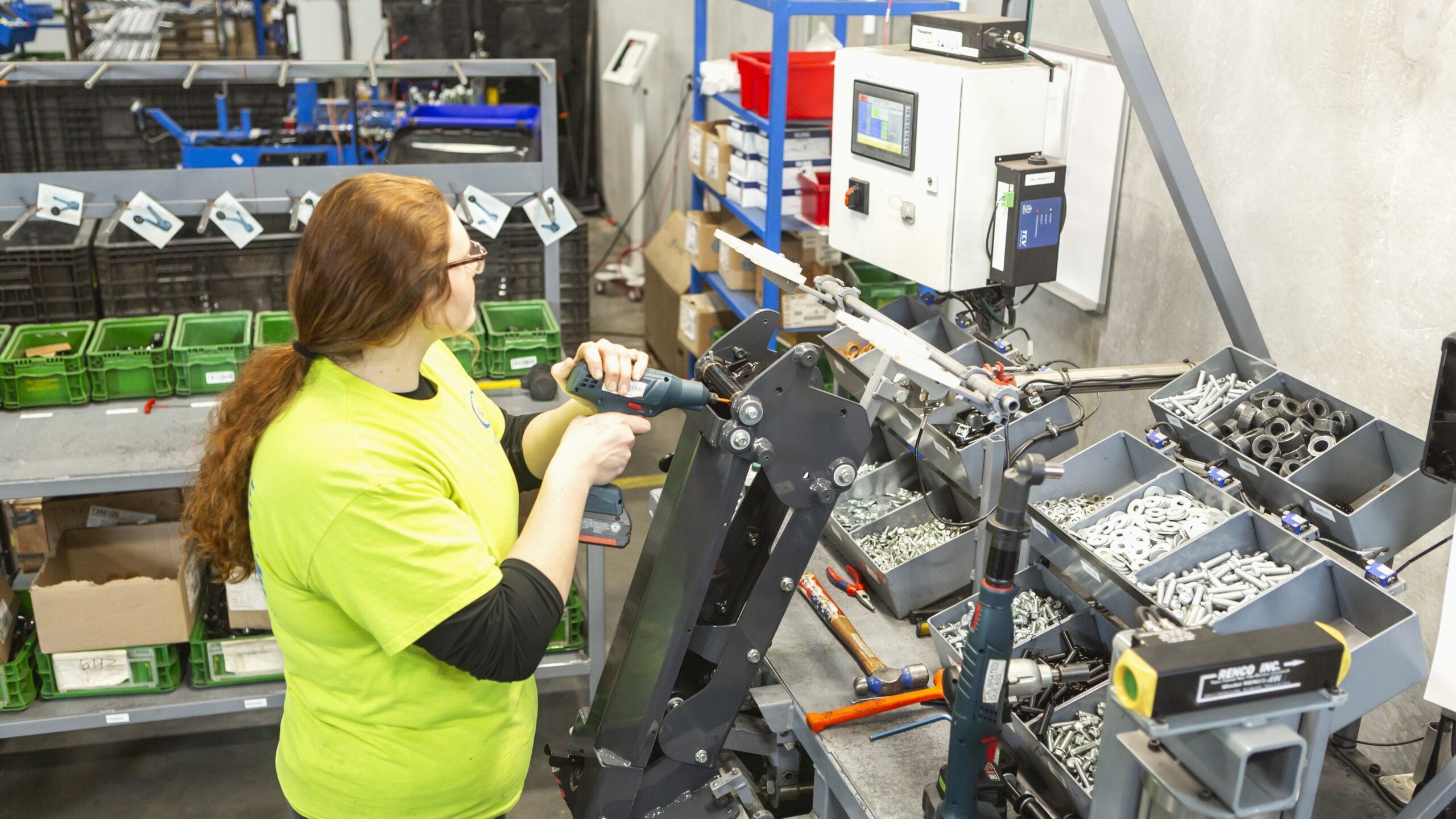
Walk onto any busy production floor and you’ll see parts moving, assemblers working, and machines running. But what’s happening on the line doesn’t always match what the data says. For Original Equipment Manufacturers (OEMs), that gap is where delays, shortages, blind spots, and missed commitments start.
Connecting the Shop Floor to the Top Floor
At World Class Industries, we see the importance of data-driven manufacturing every single day. We rely on real-time production data to stay ahead of issues, not react to them after the fact. When your supply chain spans tens of thousands of components and two thousand vendors, you cannot afford to fly blind. Real-time data visibility allows you to plan accurately, adjust quickly, and keep production on pace with demand.
From Static Forecasts to Actual Demand
Linking production data directly to supply chain planning helps decision-making become more precise. Instead of relying on outdated forecasts, procurement is driven by what the line is actually consuming.
That means:
- Ordering the right parts
- At the right time
- Based on real usage
- Accounting for shifting demand and productions schedules
The result is less guesswork and a supply chain that aligns with actual demand.
Clearer Insight into Vendor Performance
This data loop also shines a bright light on vendor performance. It is easy for a supplier to look good on paper. But when your production data is tied to their delivery and quality metrics, you see the real picture. You see which vendors consistently deliver parts that without delays and which ones cause friction. This visibility lets you have productive supplier conversations and make more informed sourcing decisions.
Solving the Inventory Puzzle
Inventory is always a balance. Too much inventory ties up capital and too little capital stops the line. Data-driven manufacturing helps production planning find the middle ground. By analyzing usage patterns and build schedules, we stage components into ready-to-use kits with a level of timing that keeps inventory lean but lines full. You get exactly what you need, just before you need it, which lowers carrying costs and frees up floor space.
The Role of Integrated Systems
Systems like Epicor Kinetic play a critical role in making this possible. When your ERP is fully integrated, it ensures a seamless handoff from demand planning through customer shipment creating a single source of truth. Supply management and production are fully aligned so teams aren’t relying on disconnected systems, fragmented information, or manual processes.
Turning Complexity into Clarity
Ultimately, data-connected tooling and poka yoked processes strip away the chaos. They turn a complex web of suppliers, parts, kitting and assembly steps into standard flow. It means we spend less time putting out fires and more time scaling what matters for our customers.
If your supply chain feels like it’s always a step behind, it might be time to look at the data and the technology that drives it. See how WCI uses data-driven manufacturing to close the gap.