Reshoring Reinvented: How Tariffs Are Changing the U.S. Manufacturing Landscape Heading into 2026
The past five years have tested U.S. manufacturers like never before. From the COVID-19 pandemic to raw material shortages to ongoing supply chain whiplash, companies have faced disruption after disruption. Now, as we move into 2026, reshoring strategies and tariffs remain front and center – but they’re only part of the story.
At World Class Industries (WCI), we see tariffs as a catalyst for something bigger: a new approach to supply chain design. One that doesn’t force an all-or-nothing decision between offshore and onshore, but instead builds a blended sourcing model that balances cost, resilience, and flexibility.
Why Tariffs Matter – But Aren’t the Whole Story
Tariffs dominate headlines because they add direct cost. But the real impact isn’t just dollars, it’s uncertainty. Sudden tariff shifts ripple through procurement, contracts, logistics, and pricing in ways that make long-term planning nearly impossible.
- Supplier Volatility: Teams scramble to requalify vendors or find alternatives when duties are introduced or threatened.
- Longer Lead Times: Companies often build excess inventory to hedge against tariff changes, tying up working capital.
- Contract Risk: Many agreements don’t account for sudden tariff swings, leaving OEMs exposed to unplanned costs.
And then there’s the wild card: the November 2025 Supreme Court case, which could decide whether presidents have the authority to impose sweeping tariffs without Congress. Regardless of whether tariffs are upheld or struck down, the lesson for manufacturers is already clear: overdependence on a single-sourcing geography is a liability.
The Hybrid Future: Blending Global and Local
Reshoring doesn’t have to mean abandoning low-cost country sourcing altogether. The smartest OEMs are moving away from either/or thinking and toward a both/and approach:
- Keep selective offshore sourcing for components where cost advantages remain strong.
- Reshore high-risk or high-value stages like final assembly, kitting, or critical subcomponents where control, speed, and agility matter most.
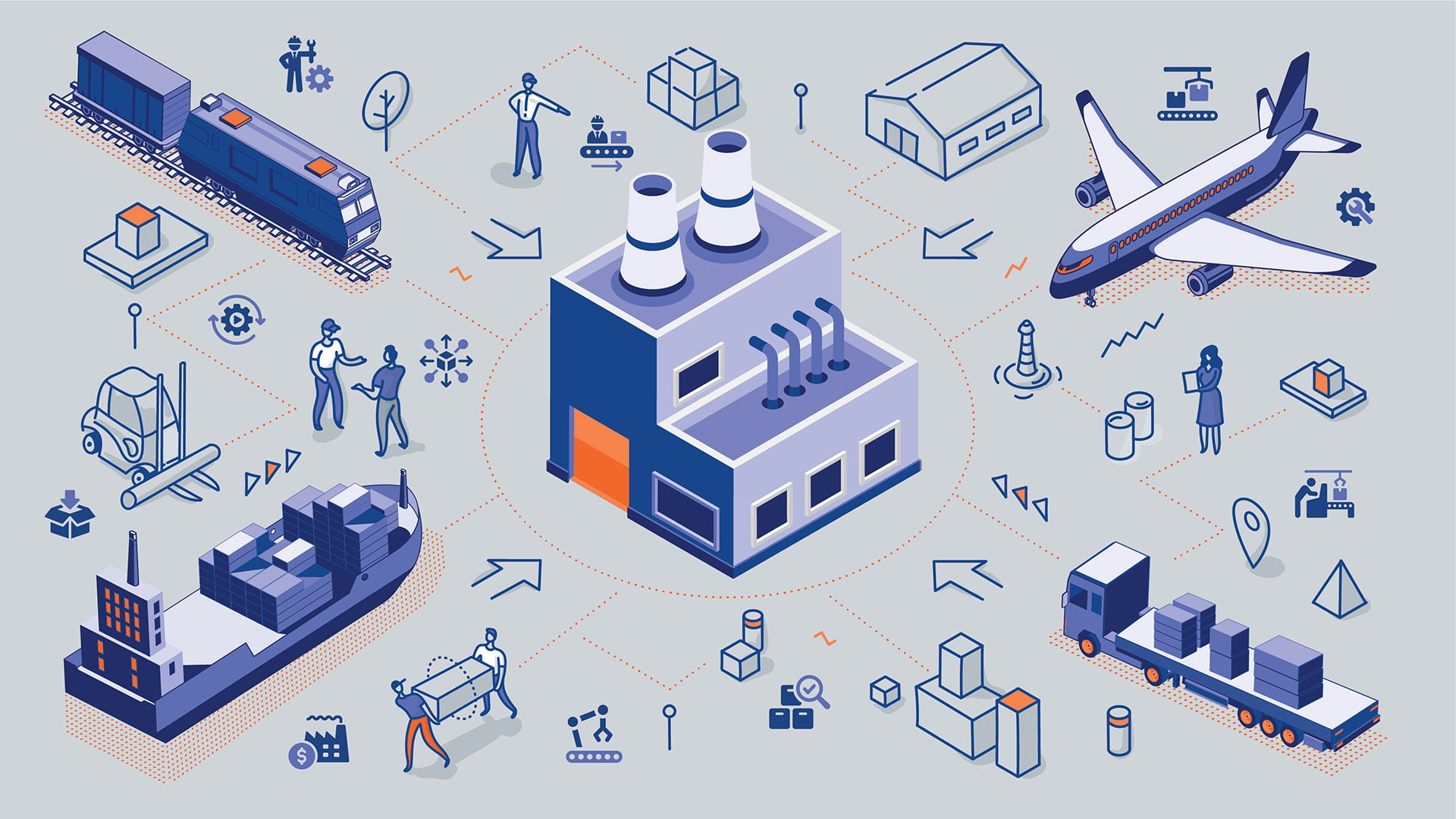
- Build modular supply chains that flex between regions as trade policies shift, instead of betting everything on one country.
This hybrid model isn’t just a response to tariffs, it’s a strategy to protect your business from shocks while still maintaining cost competitiveness.
How WCI Helps Manufacturers Reshore Smarter
At WCI, we specialize in helping companies execute this blended approach. That means not just moving operations back to the U.S., but designing supply chains that are:
- Lean: Optimized kitting and assembly solutions reduce waste and cut costs.
- Localized: Onshore capacity adds speed, responsiveness, and resilience.
- Flexible: Strategies that keep global options open while reducing exposure to tariff volatility.
In short, we help manufacturers take advantage of the best of both worlds: the savings of offshore sourcing and the stability of domestic control.
Looking Ahead
Tariffs may rise, fall, or shift but the real competitive edge comes from building supply chains that aren’t held hostage by policy swings. Reshoring reinvented isn’t about retreating from the global economy; it’s about creating smarter, more adaptable ways to thrive within it.
At WCI, we believe the future isn’t offshore or onshore. It’s both – and that balance is where tomorrow’s OEMs will win.