Improving Production Efficiency Through Custom Kitting Solutions
When manufacturers look for ways to increase throughput, they often focus on equipment, automation, or labor. Yet one of the biggest opportunities is frequently hiding in plain sight: how materials are delivered to the production line. A well-designed component kitting strategy can eliminate waste, improve workflow, and help production teams accomplish more without adding line-side complexity.
At WCI, we’ve seen firsthand how a strategic kitting program can transform a factory’s performance on a fundamental level. By improving material flow and delivering components in the right sequence, manufacturers can reduce downtime, recover valuable floor space, and keep assemblers focused on building sub-assemblies instead of managing parts.
The Hidden Inefficiencies We Keep Discovering
During a new model-year change for a global agricultural OEM’s sprayer line, our team partnered directly with their integrator to improve both the assembly safety and production efficiency.
Through our analysis, we found that technicians were spending significant time climbing on and off the sprayer equipment just to install various components. The line-side space was consumed by storage for all the sub-components. Assemblers were spending their valuable time on non-value-added activities like searching for parts and managing packaging waste.
These challenges are the reality across so many manufacturing operations. Skilled assemblers are among the most valuable resources on the production floor, yet inefficient material presentation often prevents them from spending their time where it creates the greatest value.
How Our Custom Kitting Transforms Operations
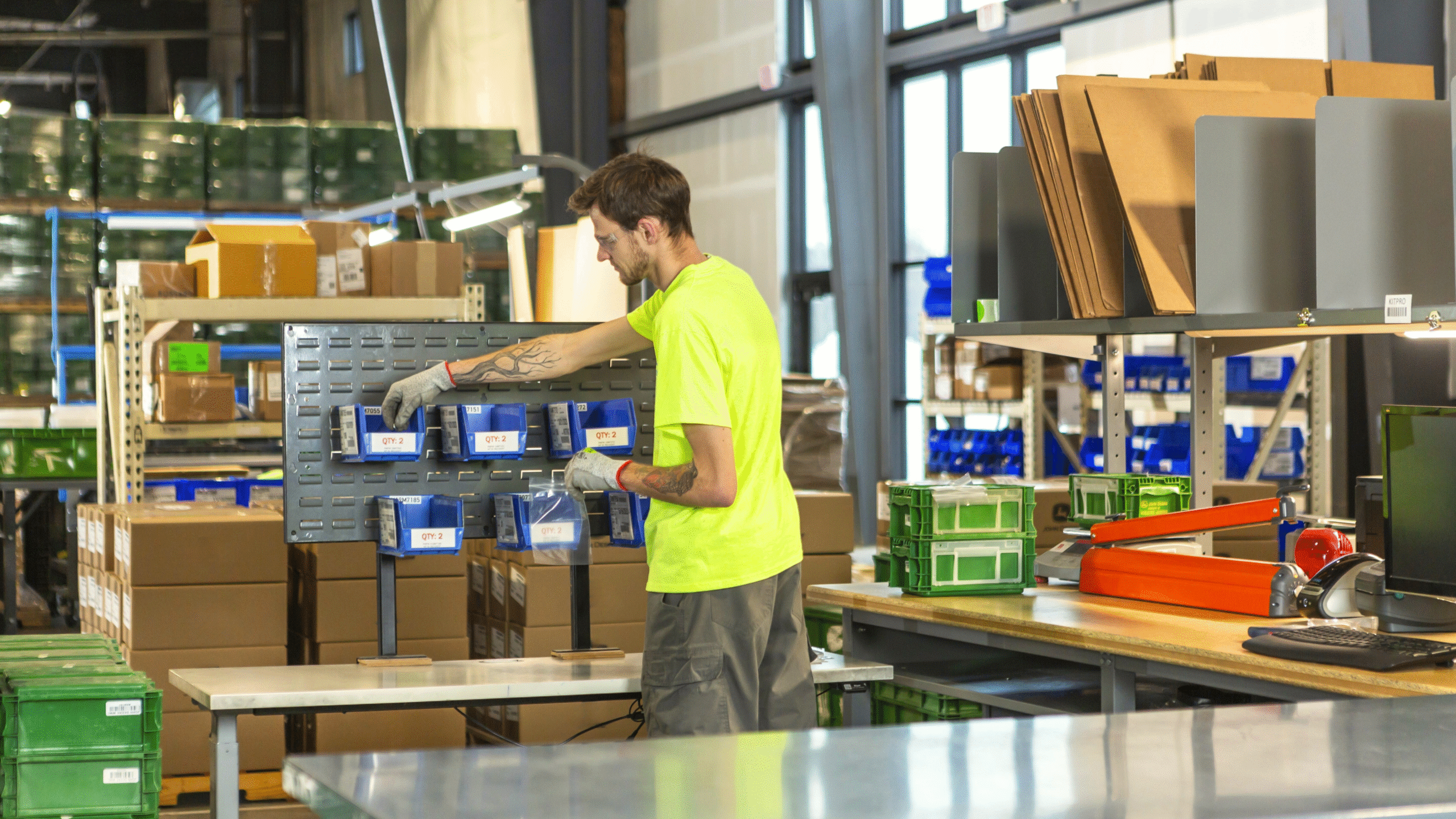
The solution we delivered wasn’t complicated in concept but it required the right expertise and execution. We partnered with this customer to deliver a comprehensive kit-to-build and sub-assembly solution that addressed their challenges head-on.
Here’s what our effective kitting did for them:
- Reduced Material Handling
- By repacking and kitting parts to match the production sequence, we eliminated the time assemblers spent searching for components. The right parts arrived exactly when needed, in the exact quantity required.
- Recovered Valuable Production Space
- Inventory was relocated to our Des Moines facility for warehousing, freeing over 2,500 square feet of the customer’s factory floor space. Instead of dedicating valuable production space to component storage, the manufacturer was able to use that capacity for production rather than inventory.
- Increased Value-Added Assembly Time
- It limited the time an assembler spent on non-production activities. When your technicians aren’t climbing on and off equipment to retrieve parts, they’re focused on what they do best: building quality products efficiently.
- Reduced Packaging Waste
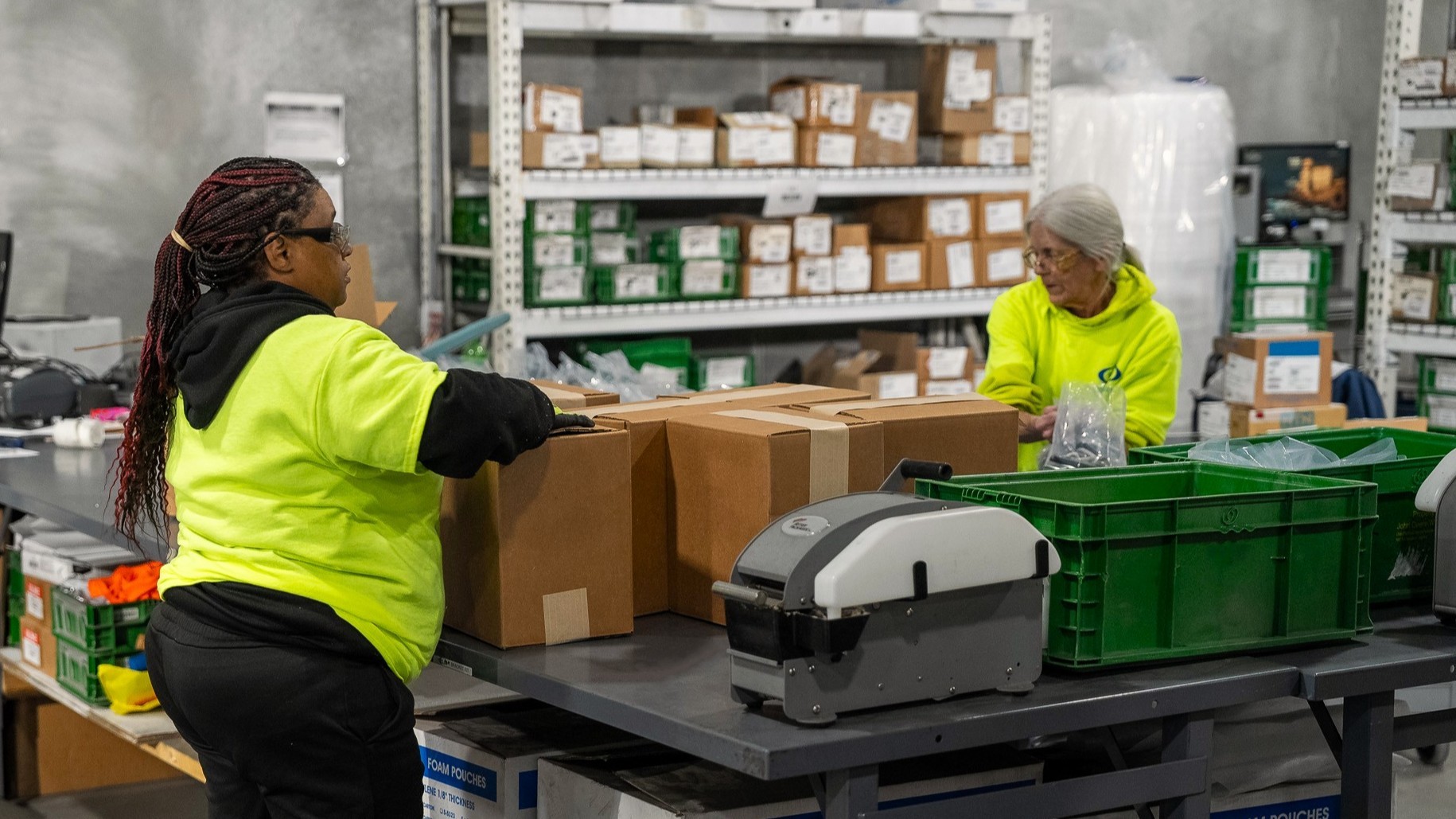
- Redesigning how parts were presented and delivered reduced the excess dunnage, creating a more organized work environment while reducing ongoing cleanup requirements.
The Technology Behind Our Approach
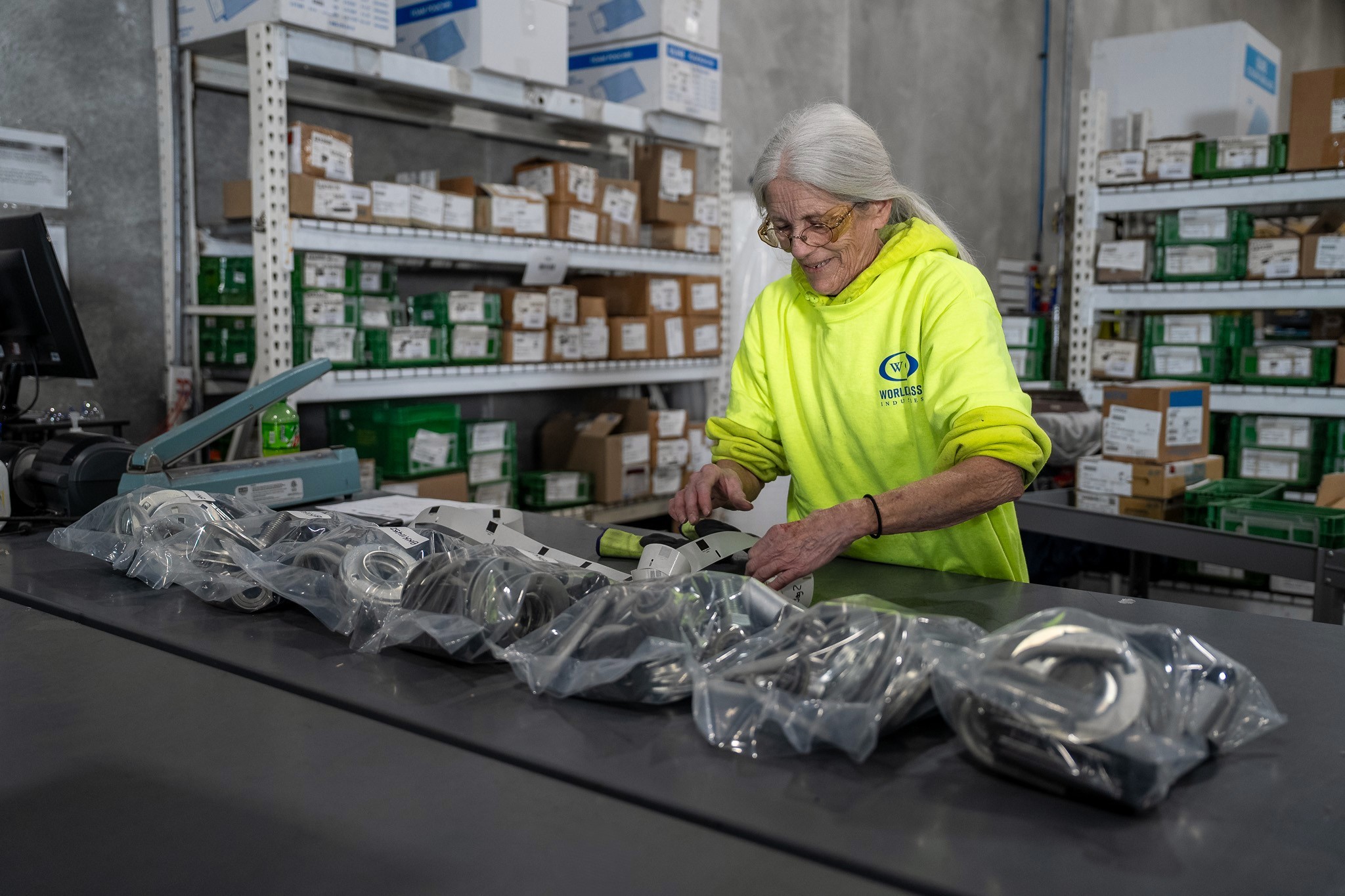
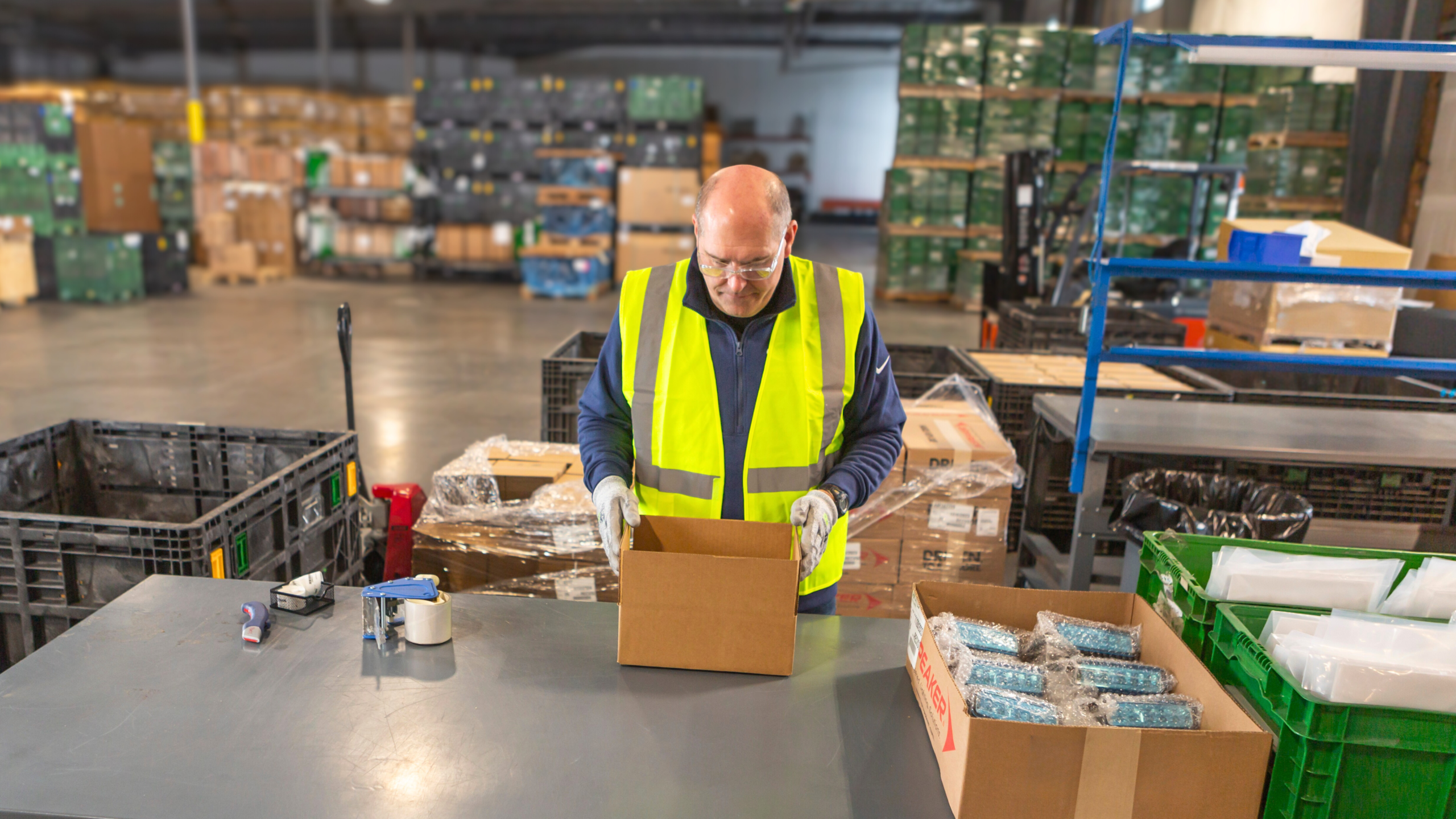
Effective kitting depends on more than packaging—it requires systems that ensure every kit is complete and production-ready. WCI’s advanced ERP system allows us to break assemblies into sub-kits and sub-assemblies that flow seamlessly to the production line. Integrated weight-scale and pick verification technologies automatically identify kits that don’t meet spec, providing a quality check on every kit before it reaches the production line.
These valuable tools improve material accuracy, minimize assembly disruptions, and support a more reliable production process.
Real Results That Improved Throughput
The numbers from this project tell the story better than we ever could. Our customer achieved:
- 15% faster assembly time: translating directly to increased throughput
- 2,500 square feet of storage space saved: Reducing facility costs and improving line organization
- 100% checks completed on weights of kits: Providing quality at every step
- 3 fewer new hires needed due to reduced labor needs: Solving labor constraints while keeping up with production
The Future of Strategic Kitting
Manufacturers continue to demand greater flexibility, visibility, and responsiveness throughout the supply chain. Digital inventory tracking provides real-time visibility into material flow, allowing for even greater precision. Just-in-time manufacturing principles are being integrated into our kitting strategies, ensuring that parts arrive exactly when they’re needed.
These advancements mean we can help our customers achieve better workflow management and increased supply chain responsiveness, positioning them to adapt quickly to changing production demands.
Efficiency Starts with Better Material Flow
At World Class Industries, we help OEM manufacturers improve throughput by integrating kitting, assembly, and supply chain management into a streamlined production strategy. The result is better use of labor, improved space utilization, higher assembly efficiency, and a supply chain built to support long-term operational performance.
We’ve seen what’s possible when manufacturers embrace a smarter approach to material flow. The question is: are you ready to transform your factory floor?
Ready to learn how our custom kitting solutions can improve your production efficiency? Contact us today or visit our case study page to see more examples of how we’ve helped manufacturers like you.
About the Author
Ryan Murphy