Why Manufacturers Are Investing in Outsourced Kitting Services to Improve Supply Chain Efficiency
As supply chains become harder to manage, manufacturers are looking for practical ways to reduce the amount of material handling happening inside their facilities. OEM production lines depend on a steady flow of parts, but storing, sorting, staging and delivering those parts lineside can take up valuable floor space and labor. This is one reason more manufacturers are turning to outsourced kitting services as part of their supply chain strategy.
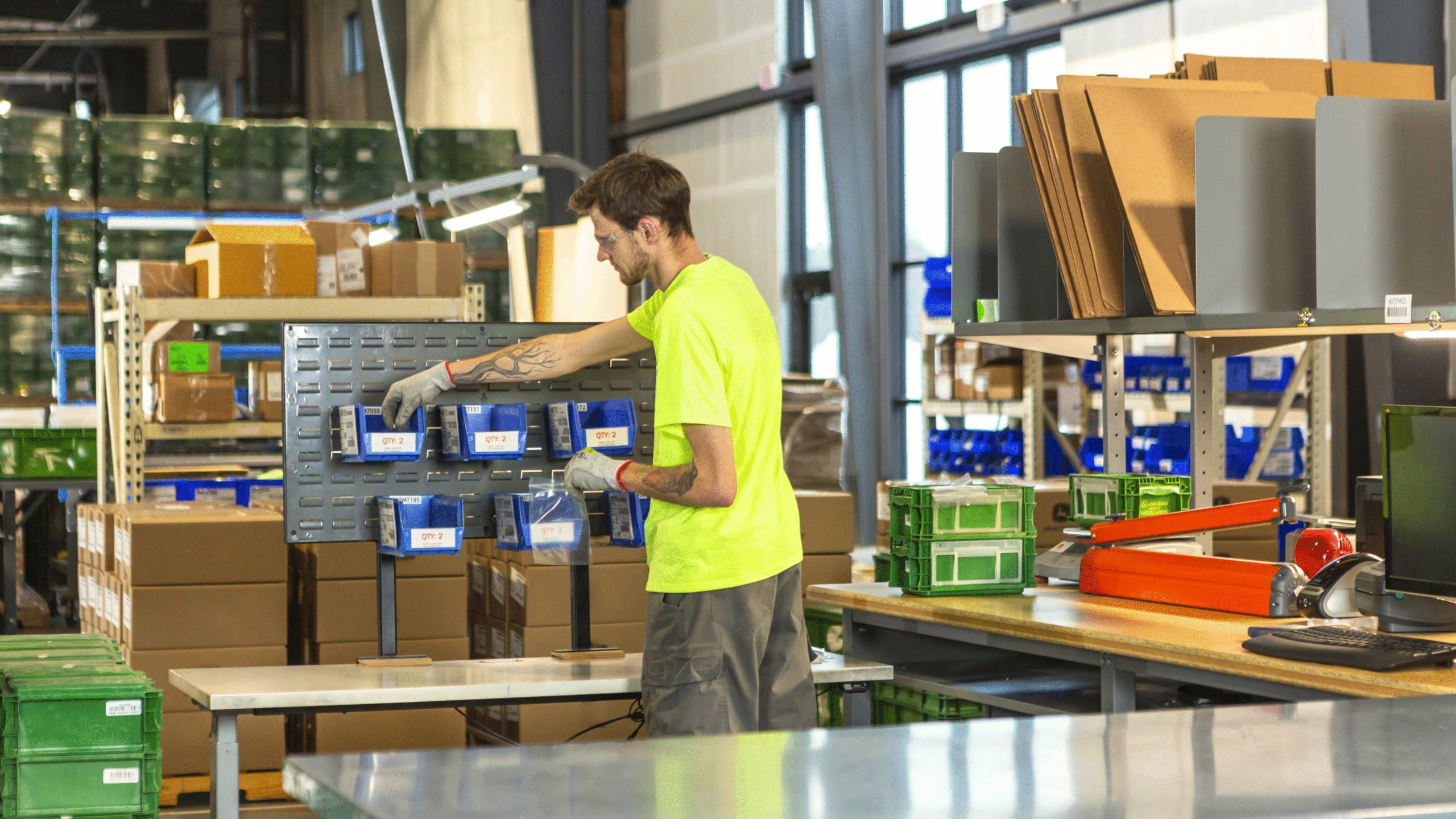
Kitting involves grouping the components needed for a specific assembly or production step into a single package or container. Instead of retrieving individual parts from multiple bins, an operator receives the required components together and ready for use. For manufacturers dealing with thousands of components and multiple suppliers, that change can have a noticeable effect on daily operations.
Move Material Away From the Production Line
Material management can become a production bottleneck when team members responsible for assembly also have to retrieve parts, check quantities, organize containers or prepare components before they can begin building a product. These activities take time away from production and can create congestion around the line.
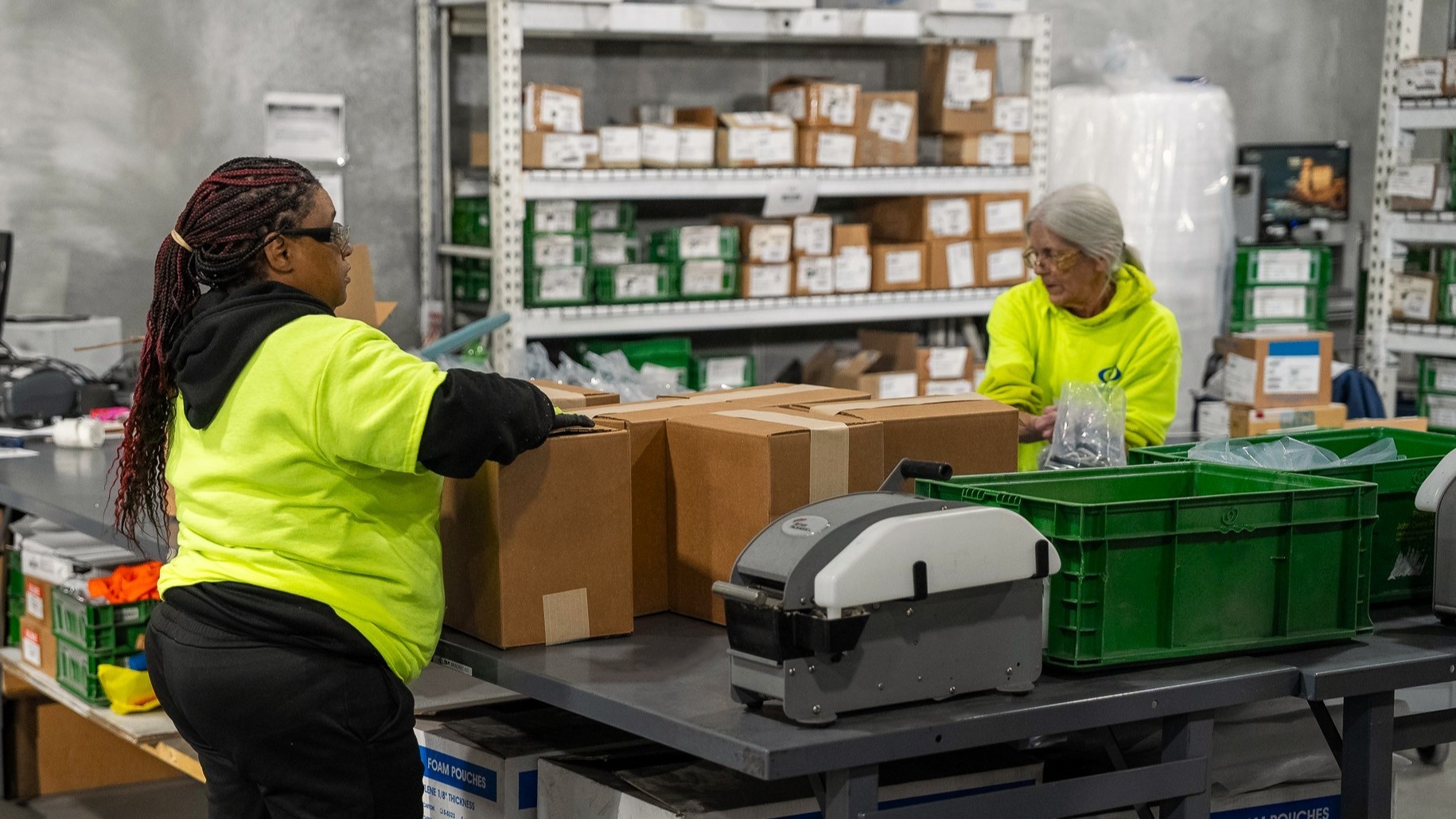
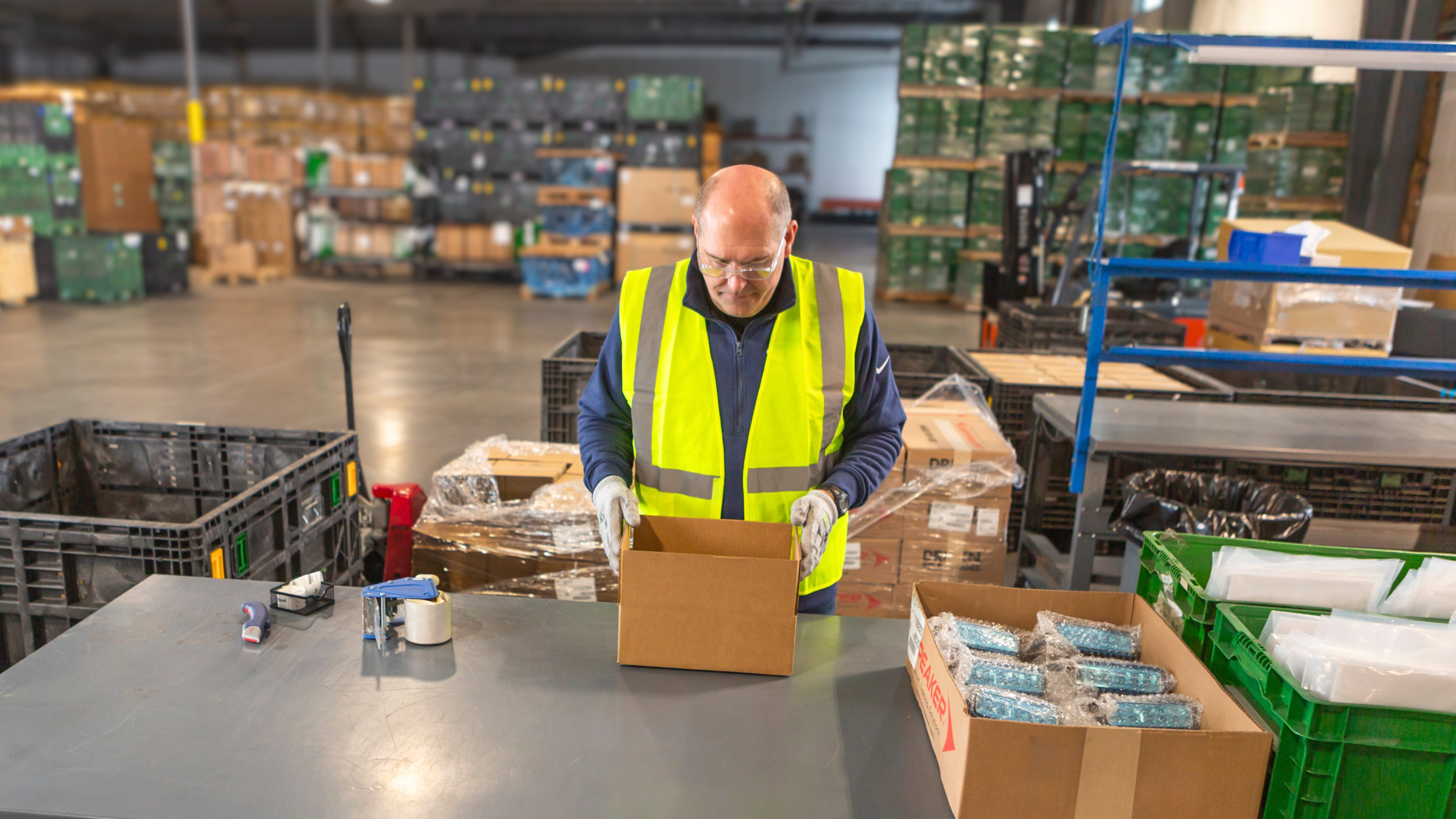
Outsourced kitting shifts much of this work to a supply chain partner. World Class Industries sources and stages components into production and aftermarket kits, with inventory management, repacking, and supplier coordination handled through its supply chain operations. Kits can also be sequenced for production lines, helping manufacturers receive components in the order they are needed, and just in time to help minimize the amount of floor space dedicated to inventory.
The result is better flow of materials. Rather than bringing large quantities of individual parts to the factory floor and sorting them there, manufacturers can receive grouped components that are ready for the next production step.
Reduce Inventory, Handling and Floor Space
Inventory is another reason manufacturers are examining outsourced kitting. Parts require racks, bins, pallets ad space for material movement and team members to work safely and efficiently around production. Carrying excess inventory can also tie up working capital that could be used elsewhere in the operation.
A kitting partner can manage inventory outside the production environment and deliver prepared kits according to production requirements. WCI’s supply chain services include part stocking, repacking, supplier drop shipping and kitting, with shipments triggered according to factory needs.
For OEMs, the financial benefit can extend beyond the cost of the parts themselves. Less line-side storage can mean fewer material-handling activities, reduced space requirements and less labor devoted to preparing components.
Support Reshoring and Supply Chain Integration
Reshoring is also changing how manufacturers think about their supply chains. Bringing production closer to the customer can shorten transportation routes and improve visibility, but it can also require manufacturers to establish new supplier relationships, inventory processes and fulfillment methods.
An integrated supply and assembly partner can connect procurement, inventory management, kitting, assembly and delivery rather than treating each activity as a separate task. WCI supports OEMs across industries including agriculture, construction, powersports, power generation and other industrial markets by integrating supply and assembly activities around production requirements.
This approach can be especially useful when manufacturers are reviewing which activities need to remain inside their own facilities. Outsourcing material preparation does not mean giving up control of production. Instead, it changes where certain supply chain activities take place, while keeping internal resources focused on other value-added activities.
A Practical Approach to Supply Chain Efficiency
For manufacturers, the value of outsourced kitting services comes from removing unnecessary work from the production environment. When parts arrive grouped, staged and ready for use, team members can spend more of their time on the work that directly moves products through the factory.
WCI brings procurement, kitting, assembly and inventory management together to help OEMs address labor constraints, material handling, inventory levels and factory space. For manufacturers evaluating reshoring or looking for greater coordination across their supply chain, outsourced kitting can be one practical way to improve material flow while controlling operating costs.
Talk with WCI about the kitting opportunities for your operations today.
About the Author
Jenna Anderson