Mechanical vs. Electro-Mechanical Assembly: Key OEM Differences
Mechanical and electro-mechanical assembly share many manufacturing fundamentals, but the addition of electrical components impacts how a product is assembled, verified, and tested. Mechanical assembly joins physical components into a functional product or subassembly. Electro-mechanical assembly combines those physical components with electrical parts, wiring, controls, sensors or other electronic elements. For OEMs, understanding these differences is important when evaluating assembly requirements, production processes, and potential outsourcing partners.
While many OEM programs contain both types of assembly, the priority remains the same: ensuring every component is assembled correctly, the process is controlled, and the finished assembly performs to specification.
Key Takeaways
- Mechanical assembly joins physical components into functional products or subassemblies, with an emphasis on proper fit, alignment, fastening, and mechanical performance.
- Electro-mechanical assembly integrates electrical components, wiring, sensors, or controls, requiring additional verification and functional testing.
- Both assembly types depend on controlled processes, quality verification, and traceability to meet OEM specifications and support consistent production.
What is Mechanical Assembly?
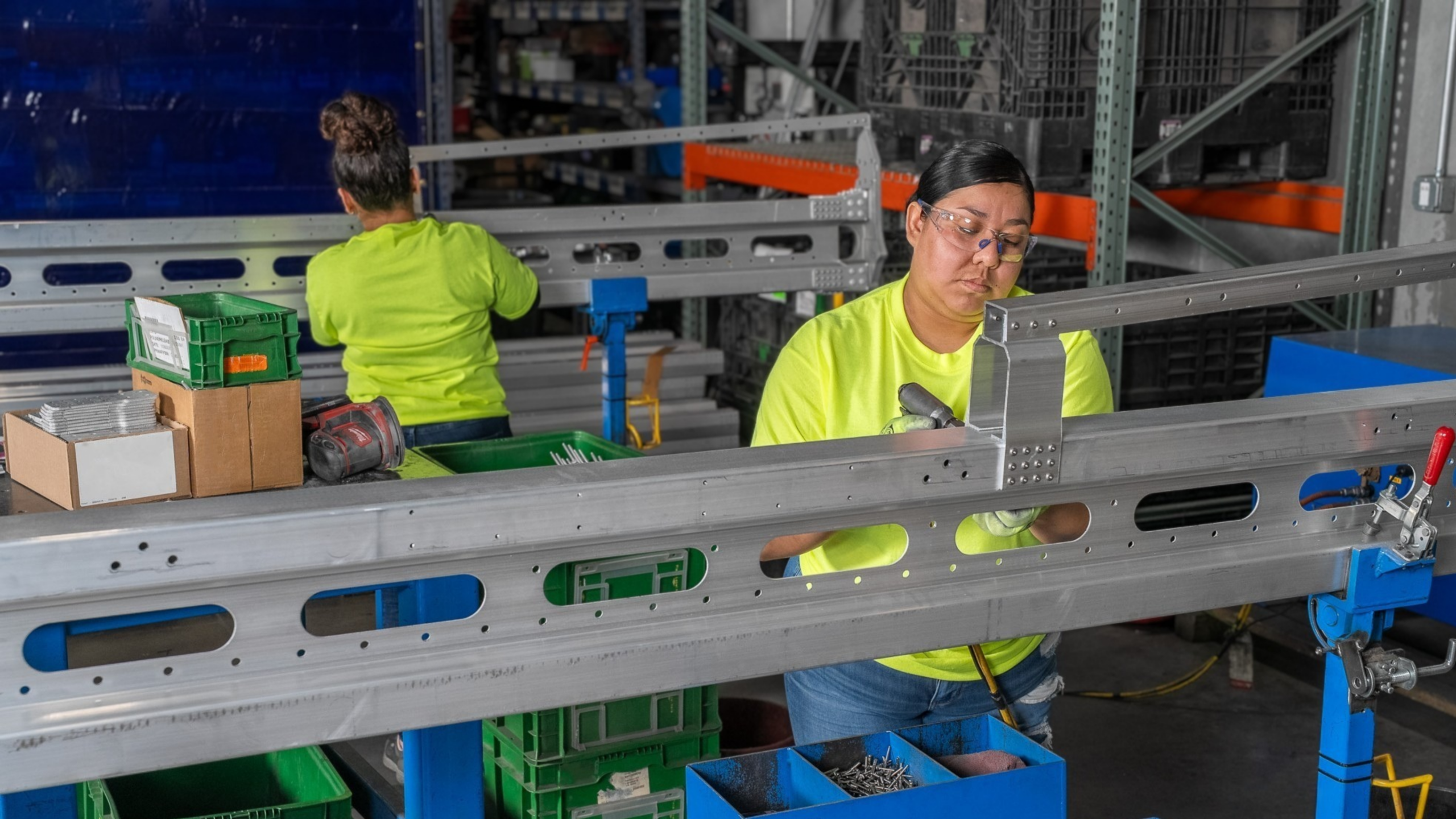
Mechanical assembly brings physical components together using processes such as fastening, pressing, bonding and joining, to create a functional product or subassembly. Depending on the product, this can include fasteners, brackets, housings, bearings, shafts, gears, tubes, hoses, fittings, frames, castings, moldings, and other structural parts.
Depending on the application, assembly operations may require torque-controlled fastening,press-fit operations,adhesive application, and functional mechanical testing.
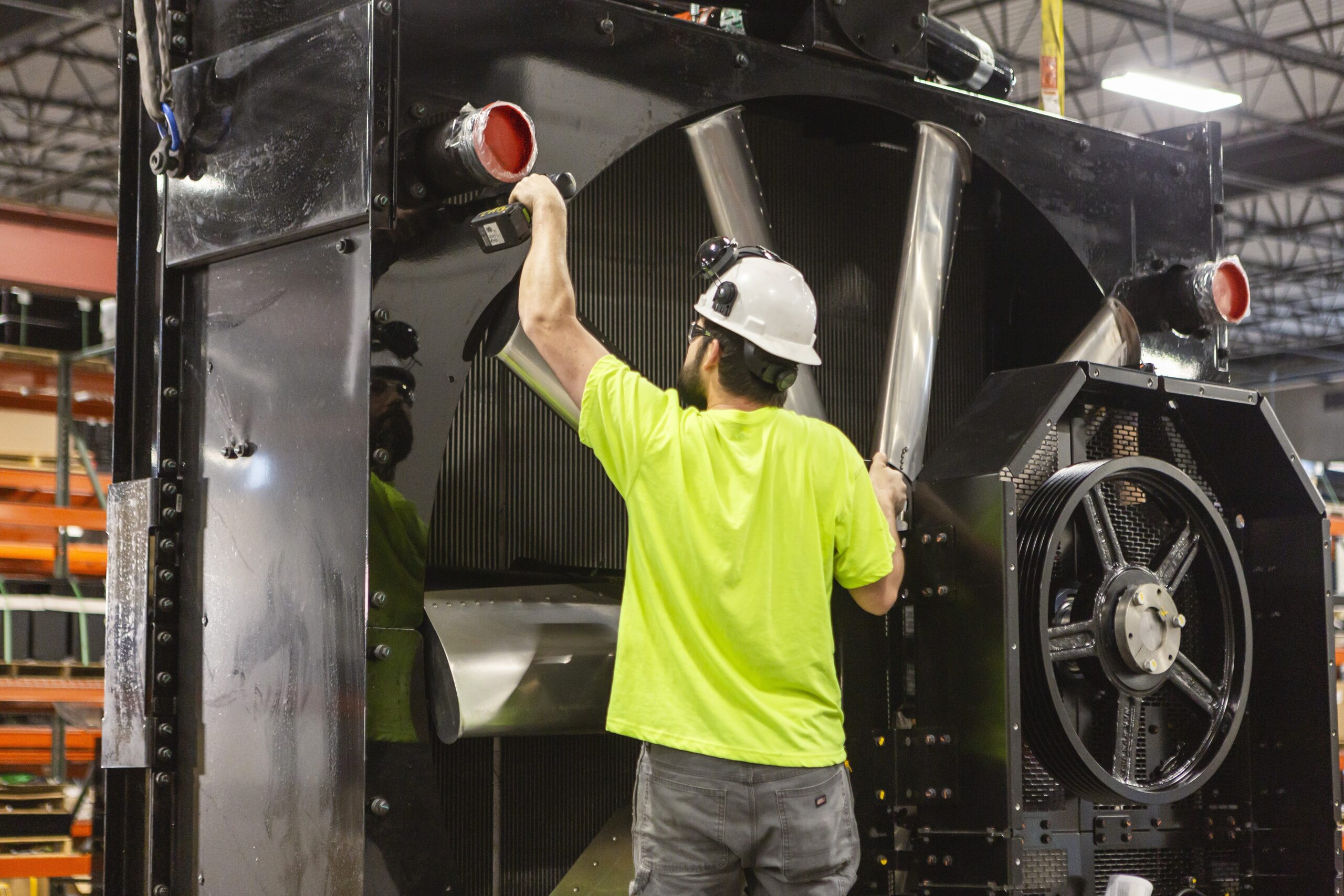
At World Class Industries (WCI), we see these requirements across industrial OEM programs involving vehicle hoods, fan drives, radiators, suspension components and hose and hydraulic assemblies to name a few. Each project requires a defined bill of materials, assembly sequence and inspection requirements to meet customer specifications.
What is Electro-Mechanical Assembly?
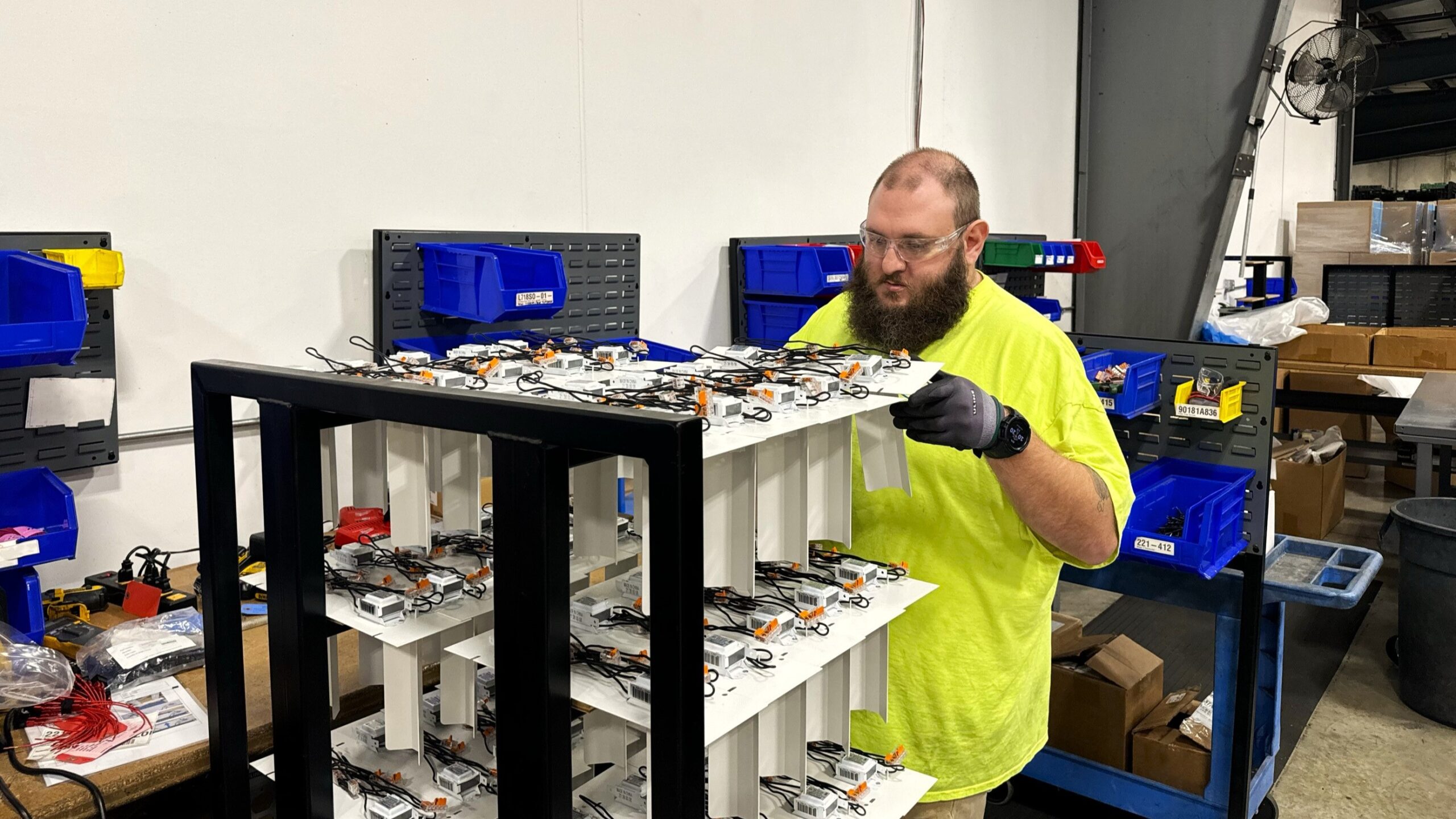
Electro-mechanical assembly combines mechanical components with electrical or electronic functions to create a functional product. A finished assembly may include motors and actuators, wiring harnesses, connectors, sensors, switches, control modules, pumps, fans or electrically operated valves.
The primary distinction is that a while an electro-mechanical assembly may be mechanically complete product is not necessarily a functioning product. A misplaced connector, incorrect polarity, damaged wire or failed sensor can prevent the finished product from functioning even when every mechanical component is installed correctly.
Depending on the product, testing may include continuity, polarity, connector placement, sensor response, voltage or current measurements, controller communication and functional performance. We develop testing and process controls around the requirements of each customer program rather than assuming every assembly needs the same test sequence. WCI currently supports electrical and mechanical in-process and end-of-line testing as part of its assembly services.
Key Differences Between Mechanical and Electro-Mechanical Assembly
Although both assembly types involve controlled processes and quality verification, several differences affect how OEMs approach production.
| Factor | Mechanical Assembly | Electro-Mechanical Assembly |
|---|---|---|
| Components | Fasteners, housings, bearings, shafts, frames, and other physical components | Mechanical components combined with wiring, sensors, connectors, and controls |
| Assembly Processes | Fastening, pressing, bonding, and alignment | Mechanical processes plus electrical integration and connector verification |
| Quality Verification | Torque, press force, component fit, and alignment | Mechanical checks plus continuity, polarity, and sensor response |
| Testing | Mechanical functional testing | Mechanical and electrical functional testing |
| Traceability | Component and mechanical process records | Component, mechanical process, and electrical test records as required |
Bill of Materials and Component Management
Mechanical assemblies primarily involve physical hardware, while electro-mechanical assemblies incorporate mechanical hardware alongside electrical components, connectors, wiring and controls. These additional components create additional verification points during the assembly process.
Assembly Processes and Sequencing
Mechanical builds typically focus on torque, press force, alignment and fit. Electro-mechanical builds add wiring and connector verification, electrical testing and proper handling requirements for electronic components. These differences influence how assemblies are sequences, work instructions are created, and production processes are developed.
Quality Verification and Testing
Mechanical assembly defects may include loose fasteners, incorrect component fit or misalignment. An electro-mechanical assembly can face the same issues along with continuity, polarity, sensor or communication problems. Identifying these issues requires verification methods suited to the product’s mechanical and electrical functions.
Documentation and Traceability
Both assembly types require documented processes, but electro-mechanical applications may include additional testing records and verification requirements. These differences also affect team member training, work instructions, traceability and test documentation.
What Both Assembly Types Have in Common
Whether we are building a mechanical subassembly or an electro-mechanical product, the foundation remains similar. Both require controlled work instructions, repeatable fixtures and tooling, component verification, in-process quality checks, end-of-line testing and documented nonconformance procedures.
Traceability can also connect components and process information to a specific production unit. WCI uses PLCs, scanners, cameras, machine monitoring and serialization systems depending on project requirements. These systems can connect build data to individual serial numbers, including information such as press force and torque, to provide visibility into how a specific unit was assembled.
Why Electro-Mechanical Assembly Requires Additional Controls
Electrical functions add another layer of complexity because visual inspection alone cannot verify that a finished build will function properly. An assembly may appear complete but still fail when power is applied or a sensor is activated.
Effective electro-mechanical assembly processes must account for both physical assembly requirements and electrical performance.
At WCI, our assembly capabilities include in-house fixture, tooling and cell design, PLC-driven processes, production sequencing, serialization, vision and scanning systems, and electrical and mechanical testing. The specific controls and tests are established around each OEM’s requirements.
What Should OEMs Look for in an Assembly Partner?
Selecting an assembly partner requires evaluating more than the ability to assemble individual components. OEMs should consider whether a supplier has the processes, equipment, and technical capabilities to manage the complete assembly program.
When evaluating contract assembly services, ask whether the supplier can:
- Manage the complete bill of materials
- Develop controlled assembly processes
- Design fixtures, tooling and production cells
- Verify torque, press force and other required process data
- Provide serial or lot traceability
- Test both mechanical and electrical functions when required
- Support the available production volume and floor-space requirements with room to scale
- Robust processes to document and address noncomforming product
For OEM assembly outsourcing, the goal is not only finding someone who can put components together. The partner needs to understand how the components, process controls, testing and documentation work together.
Proven Results: WCI’s Fan Drive Assembly Experience
One WCI fan-drive program illustrates this approach.
We used PLC programming, custom torque tools and serialized barcodes to capture press force, distance and torque data across the assembly process. Part failures were eliminated from day one, and production and service demand transitioned to WCI within 18 months.
This program demonstrates how application-specific tooling, process controls, and verification can support consistent assembly quality.
Finding the Right Assembly Solution
Whether an OEM requires mechanical or electro-mechanical assembly, the goal is a repeatable manufacturing process that delivers a finished assembly meeting quality and performance requirements.
WCI brings together assembly expertise, in-house engineering capabilities, and quality processes to support complex assembly projects. Contact our team to discuss your assembly requirements, testing needs, and production goals.
Frequently Asked Questions
What is the main difference between mechanical and electro-mechanical assembly?
Mechanical assembly joins physical components into a functional product or subassembly. Electro-mechanical assembly combines mechanical components with electrical elements such as wiring, sensors, motors, and controls, introducing additional testing and verification requirements.
What testing is required for electro-mechanical assemblies?
Testing depends on the product’s design and performance requirements. In addition to mechanical inspections, electro-mechanical assemblies may require continuity, polarity, voltage, current, sensor response, controller communication, and functional testing.
What should OEMs look for when outsourcing complex assembly?
OEMs should evaluate a partner’s ability to manage components, develop controlled assembly processes, design tooling and fixtures, perform required testing, and document production results. Traceability and the ability to support production volumes are also important considerations.
About the Author
Jenna Anderson