How World Class Industries Helps Manufacturers Improve Global Supply Chain Visibility

Global supply chains create an operational challenge for manufacturers: knowing how material availability, supplier performance and inventory movement will affect production. When information is spread across different suppliers, systems and teams, it can be difficult to see how one change may affect the rest of the operation.
That is where global supply chain visibility becomes valuable. At World Class Industries, we help manufacturers create a clearer connection between procurement, inventory, kitting, assembly and fulfillment. By bringing these activities together, we give our customers a single point of contact for work that could otherwise require extensive coordination across suppliers.
Connection Suppliers with Production
A purchase order only provides part of the information an OEM needs to manage production. Manufacturing teams also need to know whether materials are available, when they are expected, where they are in the process and how those materials align with production requirements.
We manage thousands of global suppliers across all commodity roups and procure tens of thousands of components for our customers. Our teams manage supplier relationships, material availability, inventory and delivery schedules as connected activities rather than isolated tasks.
This at gives our customers a clearer line of communication. Instead of coordinating separately with numerous suppliers, they can work with our team as a single point of contact for the supply chain activities WCI manages.
Turning Supply Chain Data into Production Visibility
Visibility also depends on what happens after materials arrive.
WCI uses inventory management, scanning, serialization and traceability processes to track materials through production. These records can connect individual components to the assemblies where they are used, giving manufacturers useful information about production history and component movement after it leaves WCI’s floor.
For one industrial generator manufacturer, we achieved 100% part traceability across the program. That level of tracking can help manufacturers understand what has been built, which components were used and where additional investigation may be needed if a quality issue arises.
Kitting provides another connection between supply and production. We organize sourced components into production-ready kits and can sequence materials according to customer requirements. This means information about what has been procured can be connected more closely to what the production line actually needs.
Where Digital Supply Chains Fit
Digital supply chain tools make it easier to monitor material movement and production activity, but technology alone does not create supply chain visibility. Inventory tracking, supplier data, dashboards, serialization and other digital systems are valuable when the teams responsible for procurement, inventory, and production can act on the information.
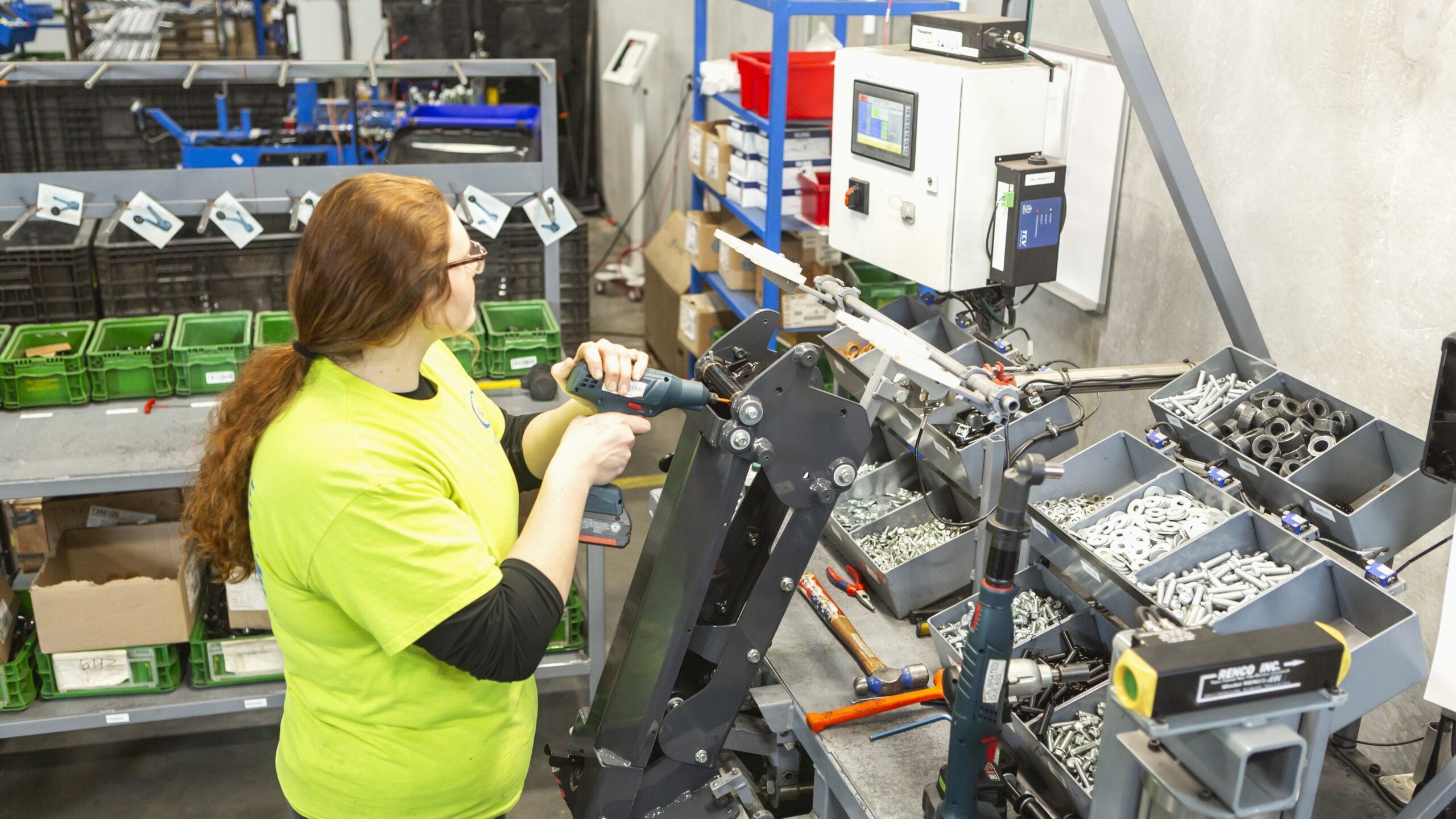
Our assembly operations incorporate production monitoring, scanning, serialization and traceability. These systems help connect production activity with the information manufacturers need to manage their operations.
The result is a clearer connection between what is happening upstream in the supply chain and what is happening on the production floor.
Building Better Supply Chain Coordination
For us, supply chain visibility comes down to connecting information with the people responsible for moving materials and products through the manufacturing process.
We manage procurement, supplier relationships, inventory, kitting, assembly and fulfillment so these activities can work together. This integrated approach gives manufacturers a clearer view of material flow while reducing the number of separate supplier relationships their internal teams have to manage.
Global supply chains will continue to involve many suppliers, locations, materials and production requirements. Having visibility across those moving parts can help manufacturers identify issues sooner, coordinate production more effectively and make decisions with a better understanding of what is happening upstream.
At World Class Industries, we support that process by connecting supply chain management with the production work that follows. Our goal is to give manufacturers clearer communication, better production transparency and stronger coordination from sourcing through assembly and delivery.
About the Author
Ryan Murphy